The Role of Facial Recognition in Construction Site Security

Facial recognition access control lets a worker enter a construction site by having their face verified at the turnstile, with no card or fob to present. Built into turnstile systems, it gives touch-free entry, faster gates and stronger security, because a face cannot be lost, shared or passed back like a card. It also removes buddy punching, ensuring the worker who was verified is the worker who entered, while keeping personal data encrypted and GDPR-compliant.
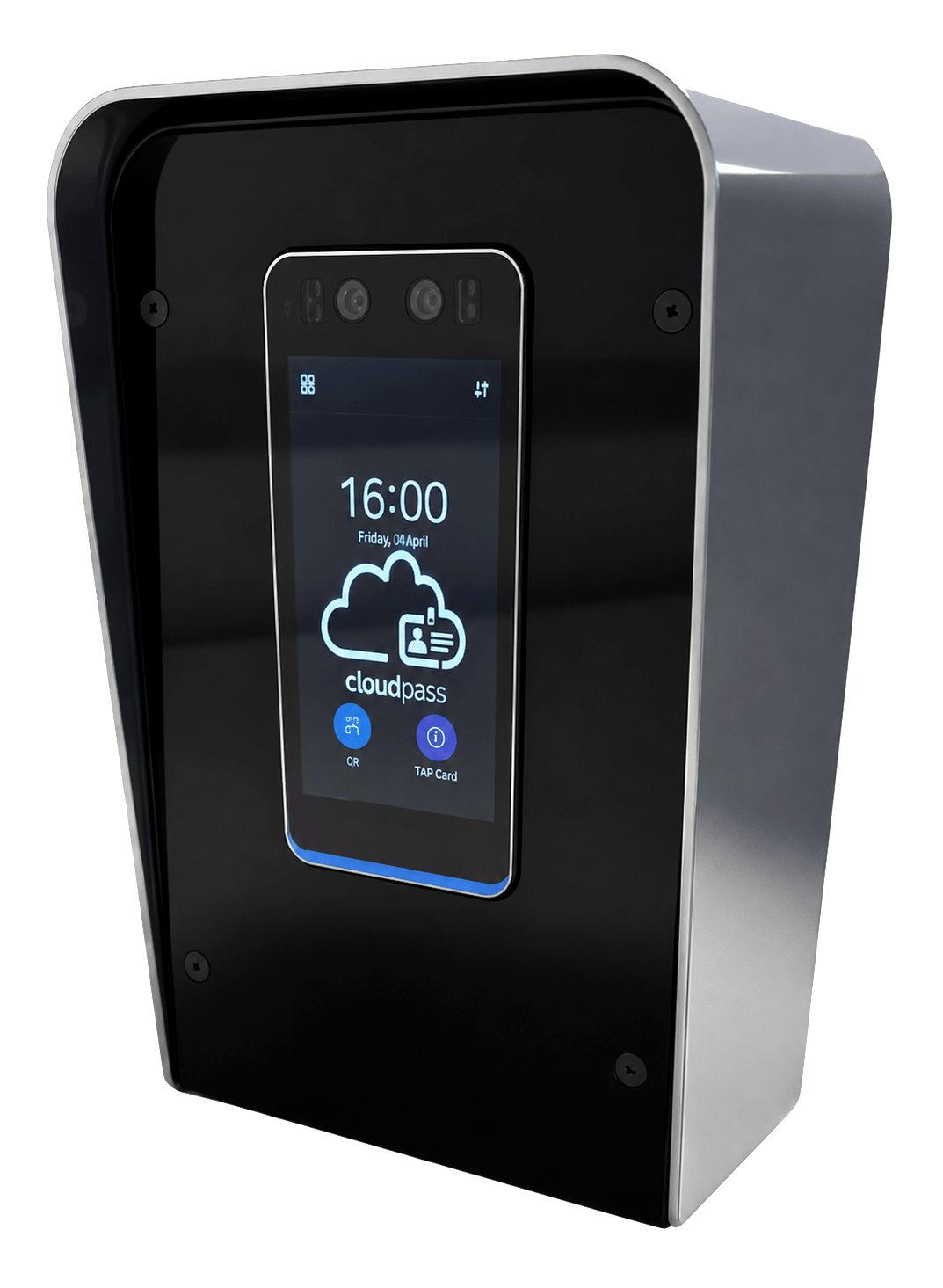
Technology is reshaping construction, from 3D modelling to drones. One of the fastest-growing innovations in site security is facial recognition access control. Built into Envision’s turnstiles and driven by the CloudPass platform, it provides a touch-free, highly secure way of controlling who enters a site. As a CloudPass hardware partner, Envision can capture biometrics remotely during pre-enrolment, so a worker is recognised the first time they reach the gate. This article explains why sites are moving beyond cards and fobs, and what facial recognition adds to both security and day-to-day site management.
Why move beyond
cards and fobs?
Traditional site access methods such as swipe cards and key fobs have real limitations. They can be lost, stolen or quietly shared between workers, which undermines the whole point of controlled access. Facial recognition removes those risks by tying entry to the individual rather than to a token they carry. Only the registered person can pass, so a credential cannot be handed to someone who was never inducted or checked. For a site manager, that closes one of the most common gaps in access control. Envision’s security access control turnstiles support facial recognition as standard.
Touch-free,
hygienic access
Demand for contactless entry has grown, and facial recognition turnstiles let workers enter without touching a shared surface. On a busy site where hundreds of people may pass through the same point each day, that is both a hygiene benefit and a practical one, since there is no card reader to wear out or keypad to keep clean. It also removes the small daily frustrations of forgotten or damaged cards, which keeps the gate moving.
Faster entry
and shorter queues
Facial recognition is quick, often verifying a worker in around two seconds. At the start and end of a shift, when a whole workforce arrives or leaves at once, that speed prevents queues building at the gate. Smoother flow through the entry point is not just a convenience; it reduces lost time across a large workforce and avoids the pressure that can tempt people to tailgate or prop a gate open. The result is an entry process that is both faster and more secure.
Stronger security
and fraud prevention
By allowing only registered faces through, the system reduces the chance of unauthorised entry and closes off buddy punching, where one worker signs in on behalf of another. Combined with anti-pass-back technology, it ensures the person who was verified is the person who entered, which removes ghost workers from the record. This matters for security and for accuracy: attendance, compliance and fire roll call data are only reliable if the identity at the gate is genuine. It works best as part of the wider construction site access control systems that manage credentials and permissions across the site.
Data security
and compliance
Facial recognition involves personal data, so it has to be handled responsibly. Modern systems encrypt facial data and store it securely, protecting workers’ privacy while giving managers accurate access records. Handled properly, it supports rather than complicates data protection compliance, because access is tied to verified identities and a clear audit trail. As with any biometric system, it is sensible to confirm how data is stored, retained and protected during setup, so the arrangement matches your privacy obligations.
Integration with
site management
Facial recognition turnstiles do not work in isolation. They connect with fire roll call, workforce scheduling and certification management, creating one system for both security and productivity. The same verified entry that opens the gate also updates the live headcount, checks the worker’s credentials and feeds attendance data. This is the integrated approach set out across our construction site security services, and our guide to construction site turnstile hire covers how it is deployed on temporary sites.
Frequently asked questions
Yes. Modern facial recognition verifies a registered worker in around two seconds and is designed to work reliably in the conditions found on construction sites. Because it ties entry to the individual rather than a card, it is generally more dependable than token-based systems, which can be shared or lost. As with any technology, performance depends on correct setup and enrolment, so it is worth confirming how the system handles factors like PPE, lighting and enrolment quality during a site survey.
Reputable systems encrypt facial data and store it securely, with access tied to verified identities and a clear audit trail. The aim is to protect workers’ privacy while giving managers accurate records, which supports data protection compliance rather than working against it. Before deployment it is sensible to confirm how data is captured, stored, retained and deleted, so the setup matches your privacy obligations and gives workers confidence in how their information is used.
Not necessarily. Facial recognition can operate as the primary method of entry, removing the need for physical badges and the risks that come with them. Some sites choose to keep an alternative such as a card or fob for specific cases, but many run on facial recognition alone. The right approach depends on your workforce and site requirements, which can be agreed as part of configuring the system so entry is both secure and practical for everyone using it.
Give your site touch-free, verified entry
Envision supplies, installs and maintains construction site turnstiles with facial recognition across the UK, integrated with fire roll call, workforce management and compliance. Tell us about your site and we will recommend the right setup.
Facial recognition can be specified as part of a managed hire rather than bought outright. Our construction site turnstile hire guide covers the options.